







Search Results for: high temperature
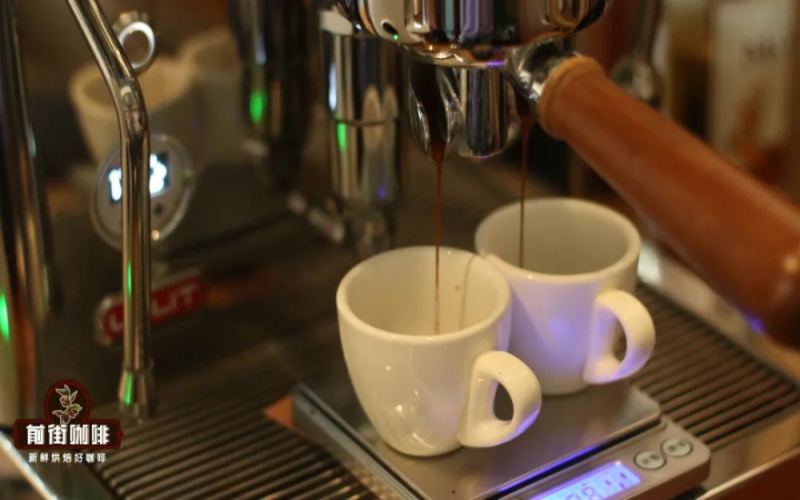
How should the portafilter temperature be controlled when extracting espresso? A hands-on test of the flavor differences among three states: room temperature, preheated, and high temperature.
When extracting espresso, should the portafilter be left at room temperature or locked onto the group head to keep it warm? Different baristas have different opinions on this. Some worry that the high temperature of the group head will overheat the filter basket and accelerate the loss of coffee grounds' aroma; others believe that keeping it warm is the only way to maintain a consistent portafilter temperature. Front Street Coffee specially designed three sets of controlled experiments for this purpose, using a room-temperature portafilter, a preheated portafilter, and a long-time high-temperature portafilter to extract the same "Sunflower Warm Sun Blend Coffee Beans," comparing aroma, acidity, sweetness, and aftertaste one by one to see exactly what kind of taste changes temperature differences bring, and which method is more worth recommending in daily operation. [more…]
What temperatures correspond to high, medium, and low in coffee tasting? And what are the three major evaluation criteria?
Front Street Coffee previously pointed out in the article "Does Coffee Have an Optimal Drinking Temperature?" that a complete coffee tasting requires experiencing the entire process from high temperature to low temperature, because the flavor and aroma will continuously evolve with temperature and the passage of time, and the purpose of tasting at each stage is different. That article focused on explaining the principles but did not elaborate on the specific tasting content, and many readers asked in the comments about the temperatures and purposes corresponding to each stage. This article follows up on the previous one, detailing the temperature ranges and tasting objectives for the high, medium, and low temperature stages of coffee tasting, while also supplementing basic knowledge of the cupping extraction process, to help coffee enthusiasts understand this tasting method derived from cupping more systematically. [more…]
Why Extract Coffee at Different Temperatures? Analyzing Three-Temperature Variable-Temperature Brewing and Pour-Over Water Temperature Selection
In pour-over coffee, when extraction parameters are too high, it is usually possible to dial them back, but if over-extraction is caused by too many fines from the grinder, adjusting parameters alone is often not enough to solve the problem. In this case, sifting out the fines or adopting variable-temperature brewing are both response options recognized by Front Street Coffee. This article will focus on variable-temperature brewing: it is not a minor adjustment of 2~3°C, but rather segmented extraction with a larger temperature differential, controlling the dissolution rhythm of flavor compounds through high-temperature fast extraction and low-temperature slow release. The article will trace the origins of this method, analyze the championship cases of Wu Zelin and Emi, explain how to use cold water to regulate temperature and achieve a variable-temperature operation that starts high and ends low, and share in detail the practical process of the "Devil Brewing Method" by Tetsu Kasuya, which Front Street Coffee favors. [more…]
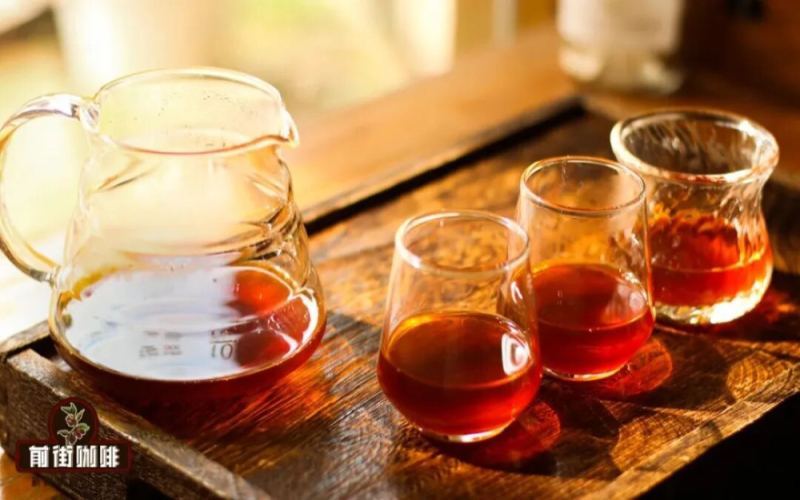
A Guide to Tasting Pour-Over Coffee at Different Temperature Ranges: How High, Medium, and Low Temperatures Affect the Perception of Sourness, Sweetness, and Bitterness
When tasting specialty coffee, temperature is one of the most intuitive clues for interpreting flavor. The three tastes in coffee—acidity, sweetness, and bitterness—show markedly different intensities as temperature changes: high temperatures suppress bitterness and dull sweetness; the mid-temperature range offers the keenest perception of acidity and sweetness, with the richest flavor layers; low temperatures tend to expose negative flavors, with bitterness rising and sweetness falling. Starting from the principles of sensory perception, this article systematically sorts out the key tasting points across three stages—high temperature (50–75°C), mid temperature (35–50°C), and low temperature (<35°C)—and, using two beans, Front Street Wanderer Estate Geisha and Front Street Queen Estate, as examples, fully records the flavor trajectory from hot to cool, helping coffee enthusiasts read a cup of pour-over coffee more comprehensively. [more…]
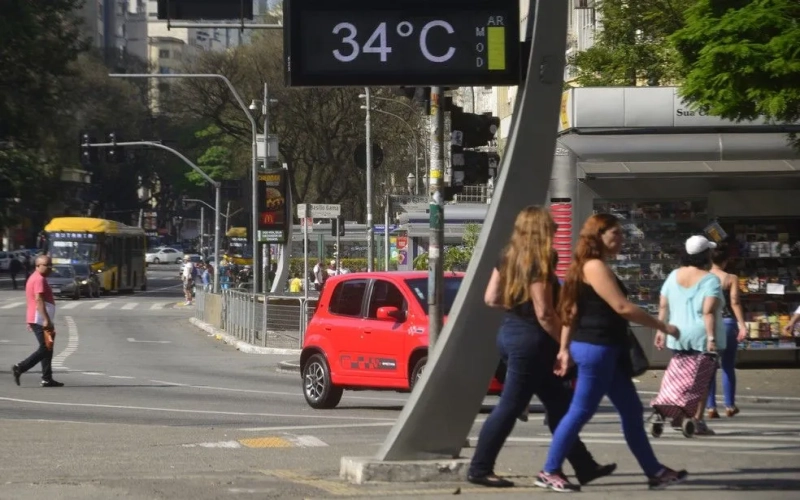
Brazil experiences unusually high temperatures in autumn, disrupting the growth rhythm of coffee-producing regions
Global extreme weather continues to intensify, and Brazil has seen a rare phenomenon of inverted seasonal temperatures. May should mark the start of autumn, yet São Paulo recorded its hottest day for the same period in 81 years, with temperatures soaring to 32.8°C and generally remaining above 30°C. Persistent high temperatures and scarce rainfall are disrupting the normal growth cycle of coffee trees, with drought conditions particularly severe in central producing regions such as Minas Gerais. At the same time, Brazil and Vietnam's production and export data are trending upward, putting pressure on both international futures and domestic spot prices, but the future weather trajectory remains highly uncertain. [more…]
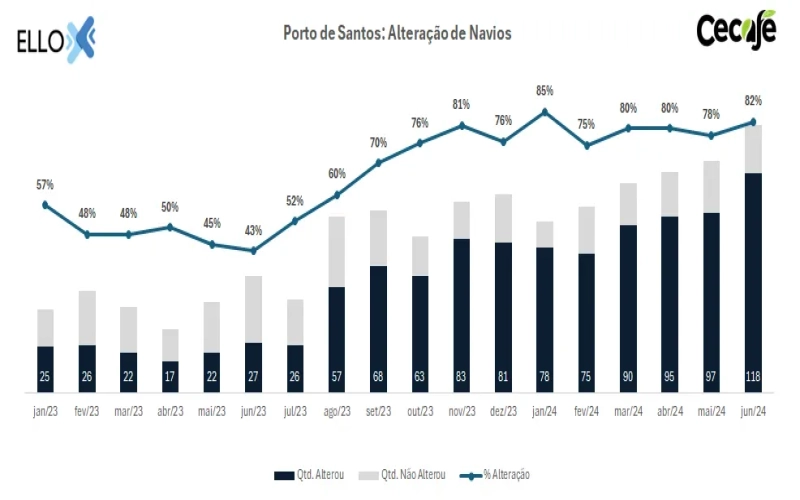
Brazilian coffee exports hit by a double whammy: port delays cause $290 million in losses, while high temperatures and drought continue to threaten production.
The Brazilian coffee industry is currently facing severe challenges. According to the latest report from the Brazilian Coffee Exporters Council, the delay rate at major ports reached 62% in June, leaving 1.23 million bags of coffee unable to be exported on schedule and causing foreign exchange losses of approximately US$290 million. The delay rate at the Port of Santos climbed to a record high of 82%. At the same time, persistent high temperatures and drought are affecting core producing regions such as Minas Gerais, and harvested coffee beans are showing undersized defects, with production expected to be revised down by 2 to 3 million bags. In addition, the dengue fever outbreak has exacerbated labor shortages, further weighing on exports. Front Street Coffee continues to monitor developments in Brazilian producing regions and brings you the latest industry analysis. [more…]
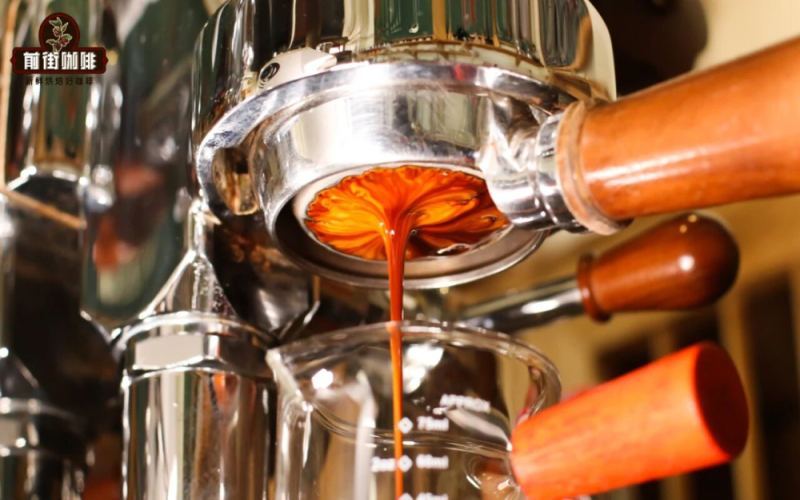
How Should Espresso Extraction Water Temperature Be Set? A Full Analysis from Machine Settings to Actual Extraction Temperature
When extracting espresso, parameters like grind size, dose, ratio, time, and pressure are often discussed repeatedly, but water temperature is often overlooked. In fact, water temperature has a decisive influence on the flavor direction of espresso—too high brings burnt bitterness and woody notes, while too low makes the coffee sour and astringent with thin crema. Starting from Front Street's practice, this article systematically sorts out the reasonable range for coffee machine water temperature, how water temperature affects flow rate, the difference between boiler temperature and actual extraction temperature, and how to set water temperature under different dose ratios, helping you find that delicious temperature point in your daily shots. [more…]
How Does Extraction Water Temperature Influence Espresso Flavor? Analyzing the Ideal Espresso Temperature from Flow Rate Changes to Dose Differences
Many coffee enthusiasts, when discussing espresso extraction, tend to focus on grind size, dose, ratio, and pressure, yet overlook an equally critical variable—water temperature. In fact, water temperature not only influences the direction of coffee flavor but also alters extraction flow rate, and there can even be a temperature difference between the boiler temperature and the water temperature that actually contacts the coffee grounds. This article, from the perspective of Front Street Coffee, systematically examines the mechanism by which water temperature affects espresso extraction, analyzes the pros and cons of high and low temperatures, and, drawing on the hypothetical experiments in Rao's "The Extraction Science of Espresso," explains how to choose appropriate water temperature settings under different dose ratios. [more…]

What are the differences between ice drip, cold brew, iced pour-over, and iced coffee? Using Honduras Sherry beans as an example to analyze low-temperature and high-temperature extraction
What exactly is the difference between cold brew coffee and iced pour-over coffee? Front Street Coffee receives this question almost every day. In short, cold brew is a low-temperature slow extraction, while pour-over is a high-temperature fast extraction. The two paths ultimately present flavors and mouthfeels with their own distinctive characteristics. From the perspective of Front Street Coffee, this article first sorts out the influence of temperature on coffee extraction, then explains the advantages and shortcomings of high-temperature and low-temperature extraction respectively. After that, using Honduras Mocha Estate Sherry coffee beans as a sample, it fully demonstrates the production process, coffee-to-water ratio, fermentation key points, and storage suggestions for cold brew coffee and iced pour-over coffee, and includes a simple method for iced Americano, helping coffee lovers understand the flavor directions of different iced coffees. [more…]
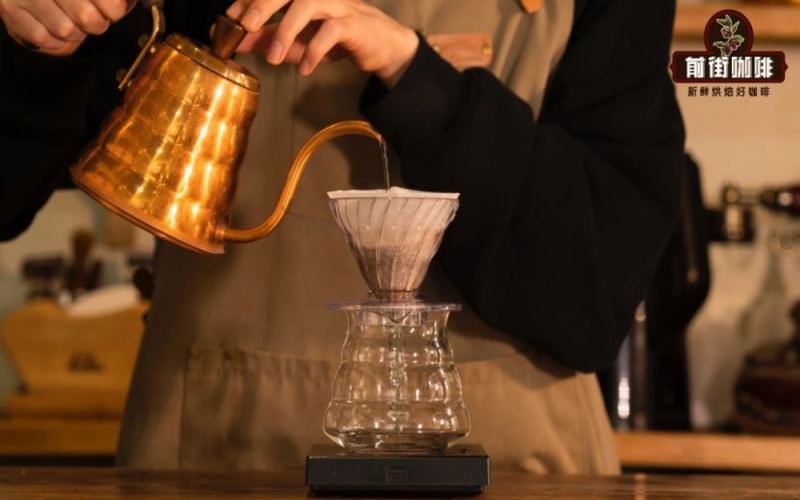
Ice Drip vs. Iced Pour-Over Coffee: A Flavor Comparison of Low-Temperature Slow Extraction and High-Temperature Fast Extraction
Ice drip coffee and iced pour-over coffee are often mentioned together, but the two differ significantly in extraction principles, flavor expression, and brewing process. Ice drip is a low-temperature slow extraction, while iced pour-over is a high-temperature fast extraction followed by cooling. Temperature greatly affects the breakdown rate of oils, acids, and sugars in coffee, thereby shaping distinctly different aromas, mouthfeels, and layers. From the perspective of Front Street Coffee, this article systematically sorts out the respective characteristics of high-temperature extraction and low-temperature extraction, and, using Honduras Sherry coffee beans as an example, records in detail the brewing parameters and flavor comparison of ice drip and iced pour-over, helping coffee enthusiasts more clearly understand the essential differences between the two kinds of iced coffee. [more…]
How Water Temperature Shapes Espresso Flavor, Flow Rate, and Extraction
In espresso extraction, grind size, dose, ratio, time, and pressure are often the focus of discussion, while water temperature is frequently overlooked. In fact, water temperature also has a decisive impact on aroma, flavor, and strength. This article will, from the perspective of Front Street, discuss the setting range of boiler water temperature, the effect of water temperature on flow rate, the difference between boiler temperature and extraction temperature, and why the higher the dose, the higher the preset water temperature needs to be. At the same time, combined with the views in Rao's "Espresso Extraction Science," it gives temperature recommendations for daily extraction and recommends Front Street Classic Espresso Blend coffee beans suitable for a rich, full-bodied taste. [more…]
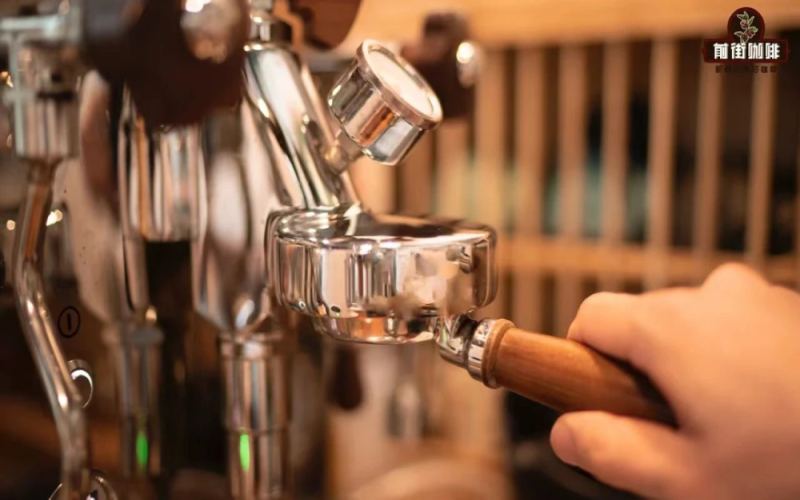
Espresso Extraction | What Is the Ideal Water Temperature Setting for an Espresso Machine? Does Water Temperature Affect Espresso Extraction?
For more specialty coffee knowledge, please follow: Front Street Coffee (Frontsteet Coffee). In the past, when Front Street shared knowledge about espresso extraction, it focused on parameters such as grind size, dose, ratio, extraction time, and pressure, and also provided in-depth analysis of steps like receiving the grounds, distributing the grounds, and tamping. [more…]
Hand-brewed coffee variable-temperature brewing method: How different water temperatures affect flavor layers and extraction results
In the world of pour-over coffee, water temperature has never been a fixed parameter. At world-class brewing competitions, many competitors use variable-temperature brewing, precisely steering the flavor direction of the coffee by using different water temperatures at different stages. Front Street Coffee conducted a set of comparative experiments using the same Panama Elida Typica beans, brewing them with three approaches: constant temperature, high temperature in the early stage followed by a temperature drop in the later stage, and low temperature for blooming followed by high temperature in the later stage and then a temperature drop. They measured concentration and evaluated the flavor. The results showed that variable-temperature brewing can significantly change the acidity, sweetness, and aftertaste of the coffee. This article will walk you through the operating techniques, experimental data, and flavor differences of variable-temperature brewing, helping you control your pour-over parameters more flexibly. [more…]
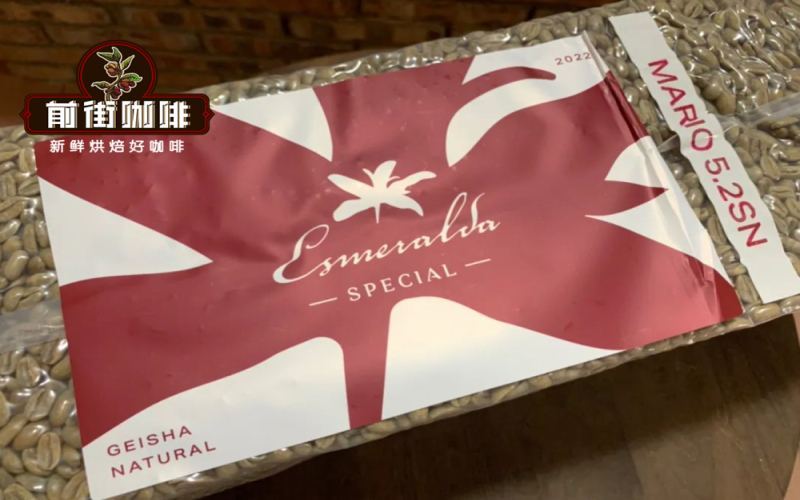
Front Street Pour-Over Temperature Reference: A Complete Guide to Brewing and Flavor of Panama Boquete Elida Estate Coffee Beans
Panama specialty coffee is not only about the Geisha from Hacienda La Esmeralda that deserves attention—Elida Estate, located in the Boquete production region, is equally outstanding. Front Street Coffee particularly recommends this Panama Elida Natural Typica, which comes from an ultra-high growing area at 1,850 meters above sea level and has been managed by the Lamastus family for a century of inherited tradition. This article will provide a complete analysis of the flavor logic of this bean, from the terroir of the production region, the estate's history, the characteristics of the green bean variety, the roasting curve, to the actual brewing parameters. Front Street will focus on sharing the recommended water temperature for pour-over—90 to 92 degrees Celsius, a 1:15 coffee-to-water ratio, and a three-stage pour with a V60 dripper—to help you fully unlock the layered notes of peach, raisin, orange, and cane sugar. [more…]
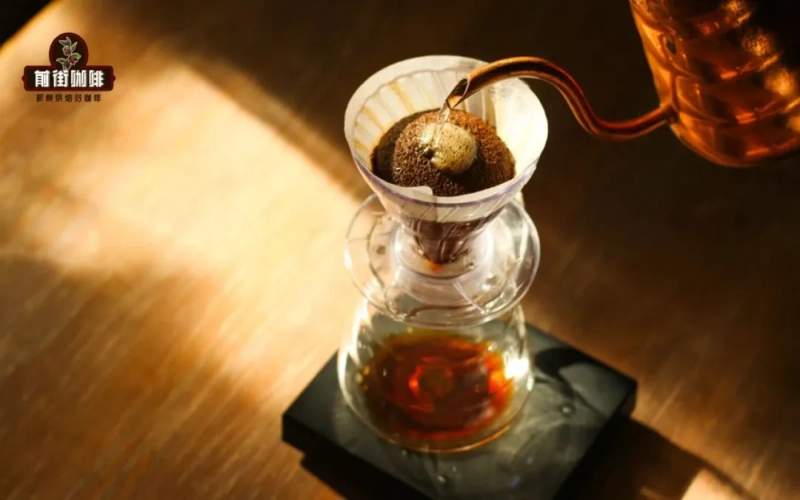
Analysis of Flavor Differences Between Hot and Iced Pour-Over Coffee: Extraction Yield, Water Temperature Ratio Parameters, and Tasting Experience Comparison
When tasting a new bean, why is it recommended to choose a hot brew first? This article delves into the flavor differences of black coffee made by pour-over, French press, siphon, and other methods under hot brewing and iced brewing from the perspectives of extraction yield, concentration, water temperature parameters, and so on. Taking pour-over coffee as an example, the article specifically compares the different settings of hot brewing and iced brewing in terms of coffee-to-water ratio, grind size, water temperature, and other parameters, and explains why iced brewing often requires sacrificing part of the extraction yield in exchange for higher concentration. At the same time, it also explores the influence of temperature on aroma, taste, and aftertaste, explaining why hot coffee can more fully present the complete picture of a bean. [more…]
Hand Brew vs. Cold Brew: How Extraction Temperature Affects Flavor and Bean Selection
Why do the flavors of the same coffee beans differ so dramatically when brewed as pour-over versus cold brew? From the perspective of Front Street, this article systematically sorts out the core differences between high-temperature pour-over and low-temperature cold brew in terms of extraction principles, flavor expression, and suitable bean types. The article covers a comparative tasting of three methods—hot pour-over, iced pour-over, and cold brew—analyzes the effect of water temperature on the dissolution sequence of acids, sweetness, bitterness, and other substances in coffee, and provides recommendations for coffee beans suited to both brewing methods, including specific Front Street products such as Guodingding, Huahudie, Strawberry Candy, and Huakui, helping coffee enthusiasts easily make their ideal cup at home. [more…]
Guide to Brewing Coffee with 100°C Boiling Water: High-Temperature Extraction Principles, Parameter Adjustments, and Stirring Method Practice Sharing
Is it actually feasible to brew coffee with boiling water? Front Street Coffee previously pointed out in a tweet discussing water temperature that water temperature is not the only factor determining whether coffee is good or bad. This article further verifies: 100°C boiling water can absolutely brew good coffee, the key lies in adjusting the extraction plan. The article analyzes the risks brought by excessively high extraction efficiency at high temperatures, introduces response strategies such as shortening time, coarsening the grind, and adopting immersion extraction, and shares in detail the entire process and parameters of using the stirring method combined with 100°C water temperature to brew Sidamo·ALO beans. In the end, this cup of coffee had an extraction yield close to 21%, presenting a full-bodied juicy feel with mango, pineapple, and citrus flavors, and a finish with oolong tea aroma, receiving unanimous praise. [more…]
Why Does Coffee Taste So Different After It Cools? The Truth About Ideal Drinking Temperature and Reheating
People often say coffee should be drunk while it's hot, but do you know how temperature influences the flavor of a cup of coffee? At Front Street Coffee, cupping involves evaluating the coffee at three stages—hot, medium, and cool—because the taste compounds in the brew and the human senses both change at different temperatures. Bitterness intensifies as temperature drops, sweetness is most pronounced near body temperature, and acidity is affected by roast level and oil oxidation. This article will walk you through the flavor evolution of coffee from hot to cold, the optimal drinking temperature range, and answer whether coffee can be reheated after it has cooled. [more…]
Pour-over Coffee Brewing Tips | What Is the Ideal Water Temperature for Pour-over Coffee? How Does Brewing Water Temperature Affect the Flavor and Mouthfeel of Pour-over Coffee?
If you ask whether water temperature is important for extraction, Front Street Coffee believes it is important, but not that important. As a tool for adjusting the extraction rate, the higher the temperature, the easier it is to extract soluble substances, but because too high a water temperature will cause coffee to quickly release bitterness, a conservative range should be chosen. Generally speaking, the vast majority on the market [more…]
The Ideal Temperature for Americano | How Big Is the Difference in Flavor and Mouthfeel Between Hot and Iced Americano? An Introduction to the Standard Recipe for Hot Americano: Coffee-to-Water Ratio and Water Temperature
Because American soldiers during World War II were not used to the extremely strong small cups of coffee local to Europe, they asked the shops to add hot water to dilute it, imitating the taste and flavor of American drip coffee. And because this cup of coffee was widely popular among American soldiers, it was named Americano "America [more…]